Learning Outcomes
i. Identify the ecological benefits of bryophytes in various environments.
ii. Understand the role of bryophytes in soil formation and erosion control.
iii. Explore the economic and traditional uses of bryophytes.
iv. Recognize the potential of bryophytes in sustainable horticulture and agriculture.
v. Appreciate the importance of bryophyte conservation for maintaining ecosystem health.
Introduction
Often overlooked due to their small size and unassuming nature, bryophytes – mosses, liverworts, and hornworts – play a crucial role in maintaining the delicate balance of ecosystems and offer a wealth of potential benefits for human applications.
i. Ecological Benefits: The Unsung Heroes of Ecosystems
In the tapestry of life, bryophytes stand out as unsung heroes, quietly contributing to the health and stability of various ecosystems. Their presence has a profound impact on the environment, from preventing soil erosion and enhancing water retention to providing habitat for a diverse array of organisms.
ii. Soil Formation and Erosion Control: A Green Infrastructure
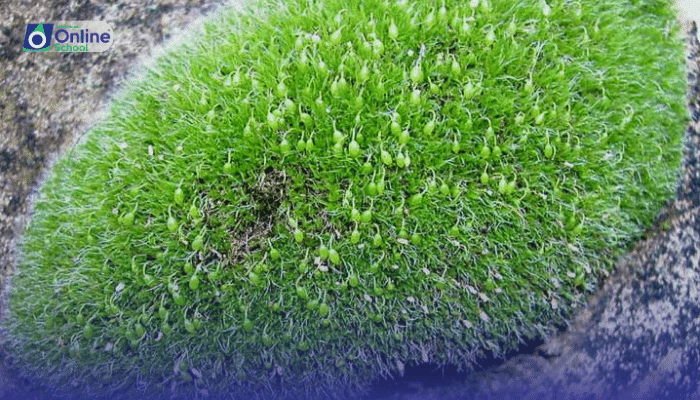
Bryophytes play a vital role in soil formation and erosion control. Their dense mats and cushions bind soil particles, preventing them from being washed away by wind and water. This protective layer helps to stabilize slopes and reduce erosion, particularly in areas with heavy rainfall or steep terrain.
iii. Water Retention and Nutrient Cycling: A Sponge for the Environment
Bryophytes act as natural sponges, absorbing and retaining large amounts of water. This ability to store moisture is particularly important in arid and semi-arid regions, where water is a precious resource. By retaining water, bryophytes help to regulate soil moisture levels, making it more accessible for other plants and organisms.
iv. Habitat and Biodiversity: A Haven for Life
The intricate structures and moist microenvironments created by bryophytes provide habitat for a diverse array of organisms, including invertebrates, amphibians, and small mammals. These organisms find refuge, food, and shelter within the bryophyte communities, contributing to the overall biodiversity of ecosystems.
v. Economic and Traditional Uses: Beyond Aesthetics
Bryophytes, beyond their ecological significance, have a long history of human utilization, offering a variety of economic and traditional uses. Their unique properties have been harnessed for various purposes, from food and medicine to sustainable materials and horticulture.
vi. Traditional Medicine: Nature's Remedies
Bryophytes have been used as traditional medicines for centuries, with various species exhibiting antibacterial, antifungal, and anti-inflammatory properties. Their extracts have been employed to treat a range of ailments, including skin conditions, respiratory problems, and digestive disorders.
vii. Sustainable Materials: A Green Alternative
Bryophytes are being explored as a sustainable source of materials for various applications. Their ability to absorb water and their fibrous nature make them suitable for bioremediation, packaging, and construction materials.
viii. Horticulture and Agriculture: Enhancing Plant Growth
Bryophytes are gaining recognition in horticulture and agriculture for their ability to improve soil quality and promote plant growth. Their presence in the soil enhances water retention, nutrient cycling, and microbial activity, creating a favorable environment for plant growth.
ix. Conservation and Sustainable Management: Preserving Nature's Treasure
The conservation of bryophytes is essential for maintaining the health of ecosystems and preserving their potential benefits. As these organisms are sensitive to environmental changes, such as pollution and habitat destruction, their conservation requires a holistic approach that addresses these threats.
x. Sustainable Land Management Practices
Adopting sustainable land management practices, such as reducing deforestation and minimizing the use of harmful chemicals, can help protect bryophyte populations and their associated ecosystems.
xi. Raising Awareness and Appreciation
Raising awareness about the importance and benefits of bryophytes is crucial for promoting their conservation. Educational programs, community engagement initiatives, and the designation of protected areas can foster a greater appreciation for these often overlooked organisms.
Bryophytes, though often hidden in plain sight, are essential components of the natural world, playing a vital role in maintaining ecosystem health and offering a wealth of potential benefits for human society. Understanding and appreciating their ecological significance, traditional uses, and potential applications can guide us towards a more sustainable and harmonious coexistence with the natural world.
